Transcranial Magnetic Stimulation (TMS)
TMS is a non-invasive medical procedure designed for those who haven’t found relief through traditional treatments like therapy or medication. While medication treats depression chemically, TMS treats it structurally by using targeted magnetic pulses to stimulate the specific areas of the brain that regulate mood.
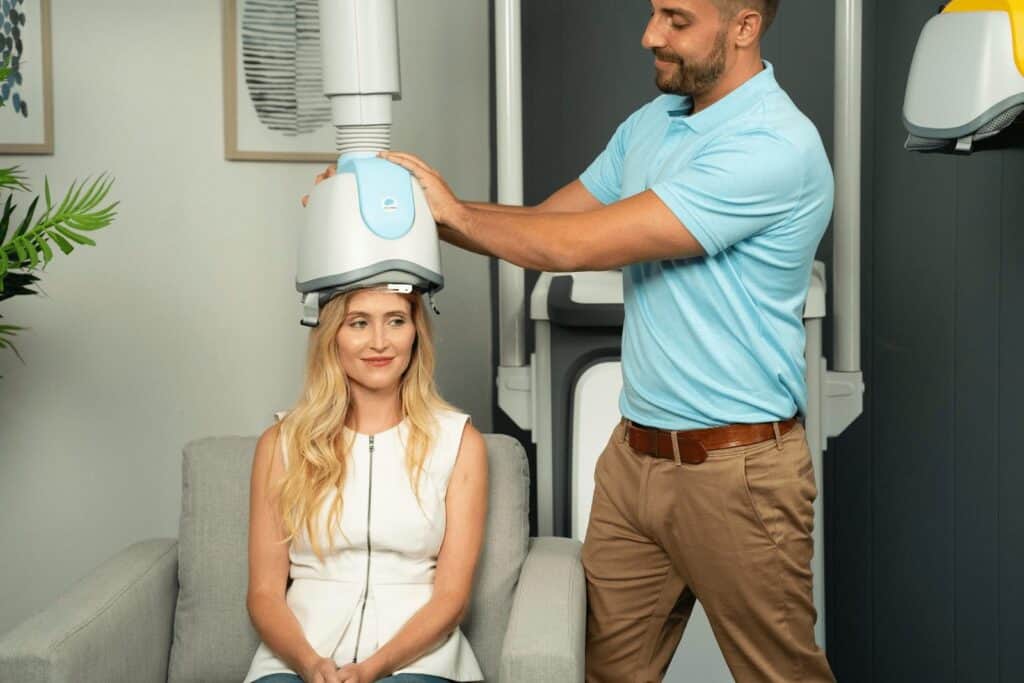
How It Works
In cases of severe depression, the “mood-control center” of the brain (the prefrontal cortex) becomes underactive. The neurons there aren’t firing as they should, which can contribute to symptoms like fatigue, difficulty concentrating, or a sense of hopelessness.
TMS uses a magnetic coil to deliver focused pulses to these sluggish areas. This isn’t just a temporary jumpstart. By forcing these neurons to fire repeatedly over several weeks, TMS triggers the release of brain-derived neurotrophic factor (BDNF), a protein that encourages your brain to physically grow new connections. This process, called synaptogenesis, allows the brain to remodel its own circuitry, restoring the flexibility it needs to maintain a healthy mood.
Is TMS Right For You?
TMS is rarely the first step in a mental health journey, but it’s often the most effective step for those who have reached a plateau.

What to Expect: The Physical Experience
We believe in being direct: TMS is a medical treatment, and for some, the sensation can be intense. However, this discomfort is temporary, and the structural changes in the brain are designed to last.
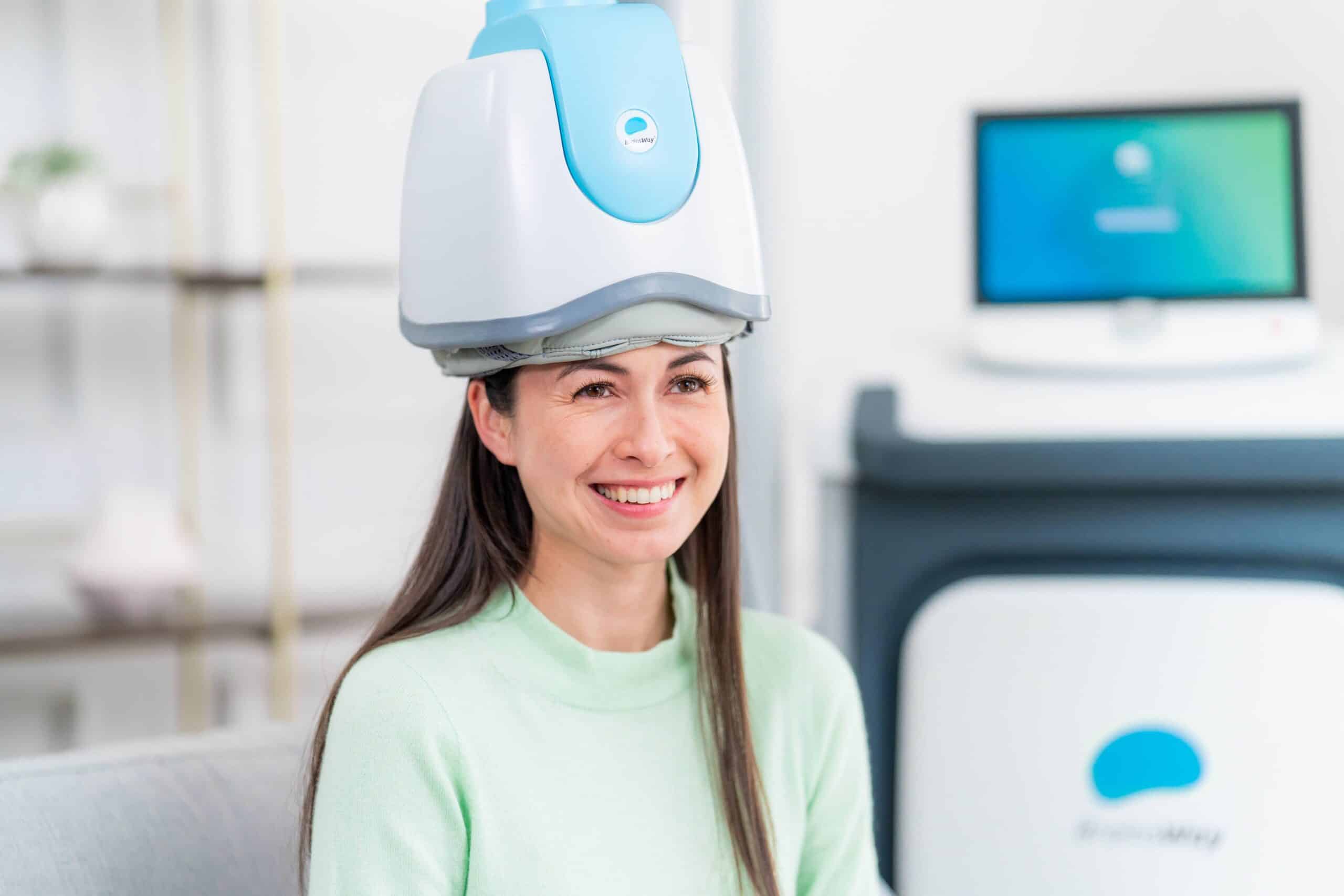
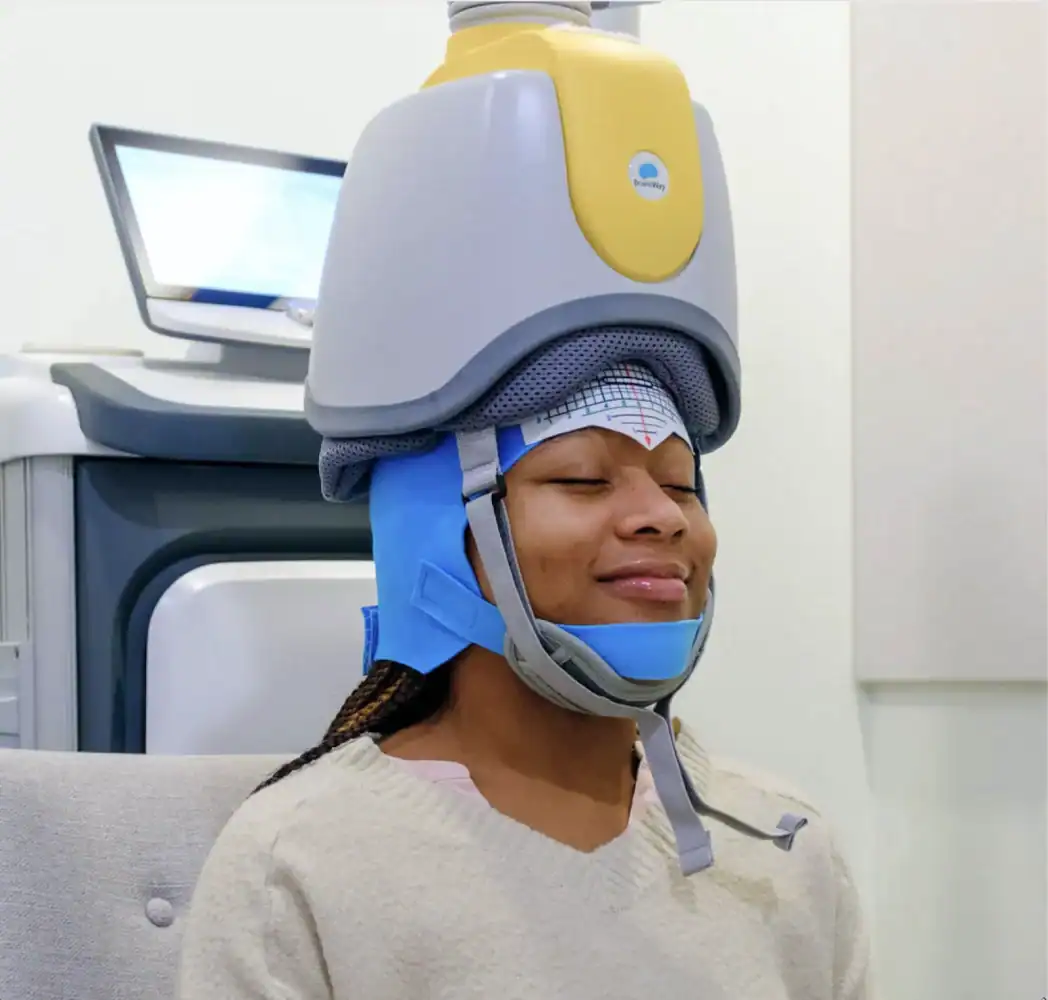
The Sensation: As the TMS device delivers pulses in quick succession, you will feel a firm “tapping” on your scalp, like a woodpecker or a strong flick of a finger.
The Challenge: During the first week or so, some patients find this tapping uncomfortable as the scalp nerves adjust. Additionally, you may experience temporary facial or jaw twitching during the pulses.
The Hope: Most people adjust to treatment in about a week. The sensations become more tolerable as the scalp becomes less sensitive and the brain learns to recognize the signals as safe. Many patients find any initial discomfort more bearable than the symptoms of depression they’ve been experiencing, and—over time—some even find the rhythmic nature of the treatment relaxing.
When weighing a few days of scalp sensitivity against the potential for permanent remission from depression, most patients find the investment well worth it.
The Routine: You remain fully awake and alert. Because there’s no anesthesia or sedation, you can drive yourself to and from the clinic and immediately return to your day.
Common TMS Misconceptions
Is TMS the same thing as shock therapy (ECT)?
No. ECT uses electricity to induce a seizure under anesthesia. TMS uses magnets to stimulate neurons while you sit in a chair and chat with a technician. There’s no memory loss or recovery time with TMS.
Are seizures a common side effect of TMS?
No. While TMS can cause seizures, it is extremely rare: 0.31 per 10,000 sessions, or about the same risk as being struck by lightning. We always screen for risk factors before initiating treatment.
Is TMS new or untested?
No. TMS was approved by the FDA in 2008 for the treatment of depression and is covered by most insurance.
Are TMS results temporary?
Fortunately, no. For most, TMS provides permanent relief from treatment-resistant depression. Fewer than 1 in 5 people require retreatment.
Most people adjust to the treatment in about a week. The sensations become more tolerable as the scalp becomes less sensitive and the brain learns to recognize the signals as non-harmful. Many patients find any initial discomfort more bearable than the symptoms of depression they’ve been experiencing, and some even find the rhythmic nature of the treatment relaxing.
Does TMS change your personality?
No. TMS doesn’t change who you are. It restores your brain’s ability to function. Patients often say they finally feel like themselves again.
Your Path to Treatment
Free Consultation: We collect your medical history and take the time to answer any questions you may have about TMS. And to make the process easier for you, we’ll coordinate with your insurance provider, so you know exactly where you stand before treatment begins.
Evaluation: A clinician reviews your information and determines if you are a suitable candidate for TMS.
Motor Threshold (Treatment Day 1): We find your exact treatment location by looking for a small twitch in your right hand. This ensures the pulses focus on the area of the brain necessary to optimize your response.
Transition: As you finish, we work with your clinical team to ensure you ahve the right strategies in place to maintain your new, healthy baseline.
Why Headlight?
An Integrated Mental Health Approach
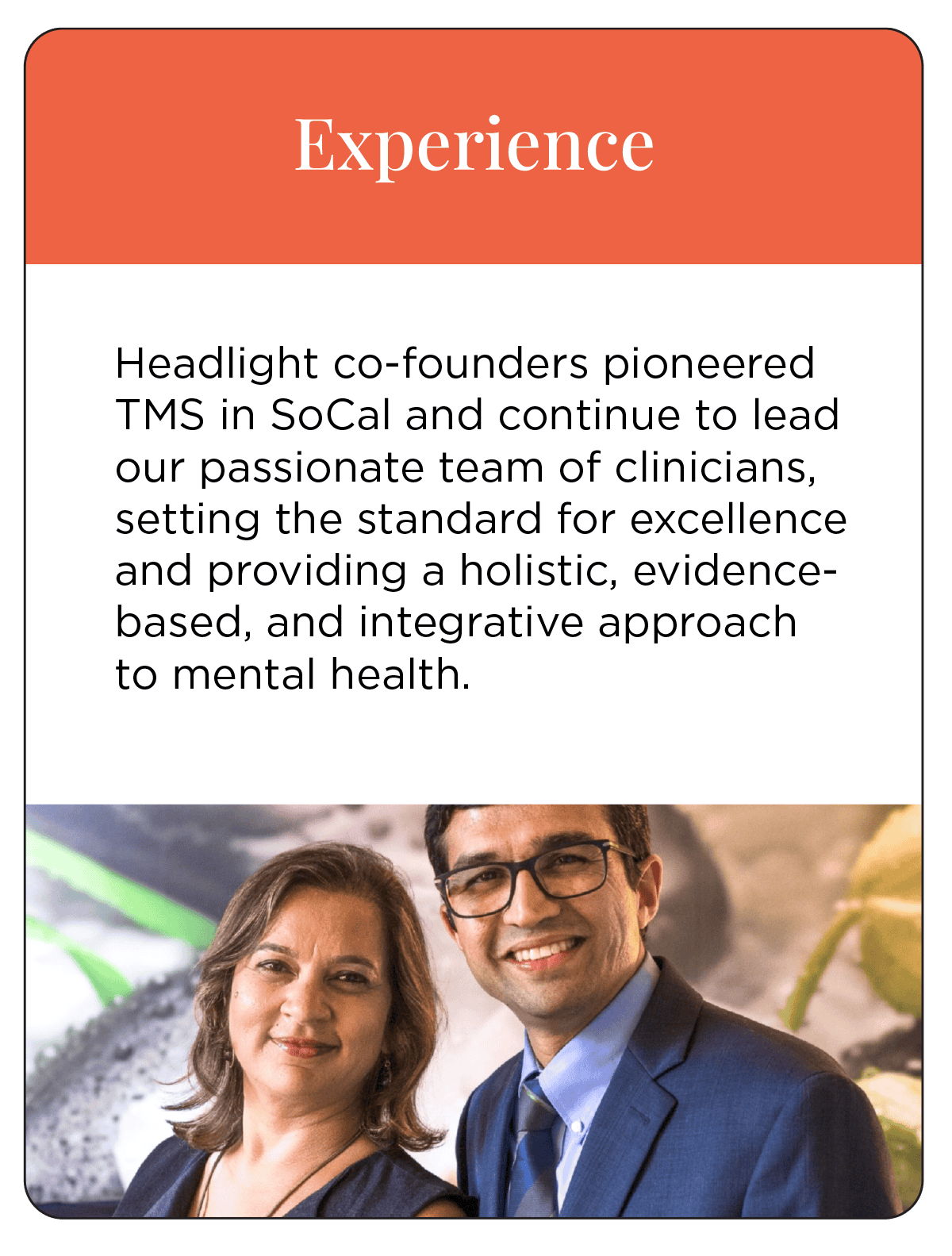
Headlight specializes in mental health, and only mental health. By offering a full spectrum of treatments, we can join your mental health journey no matter where you are (or where you’re going) and provide the easiest, quickest path to remission of your symptoms. Better yet, our clinicians work together in an integrated system that allows for seamless coordination of care— they can consult with each other directly, monitor your mood and success during treatment, and make real-time, personalized adjustments.
It’s one desk and one intake form for all your mental health needs, now and in the future.


Neuroplasticity
The Science of Neuroplasticty
The most important thing to understand about the human brain is that it’s never “finished.” For decades, it was believed that the brain was a static organ that stopped growing in adulthood. We now know the opposite is true: your brain is constantly evolving, reorganizing, and forging new connections. This inherent flexibility is called neuroplasticity, and it means that change is always biologically possible.
When the System Stalls
Like a sophisticated piece of software that’s encountered a persistent error, when someone struggles with severe, long-term depression, the brain’s natural ability to adapt gets interrupted. In the mood-control center of the brain—the prefrontal cortex—the neural activity becomes sluggish and repetitive.
Over time, the brain adopts these negative patterns. The connections that process sadness and fatigue work overtime, while the circuits responsible for joy, motivation, and mental energy begin to erode from disuse. The brain hasn’t lost the ability to change—it has simply stopped adapting.
How TMS Jumpstarts the Brain
TMS is a medical intervention designed to break negative cycles and restore the brain’s natural adaptive processes. Using targeted electromagnetic induction, the treatment delivers precise pulses directly to the dormant neurons in the prefrontal cortex.
TMS isn’t a passive process. Electromagnetic induction forces inactive neurons to depolarize, enabling the cells to fire and communicate. When this happens repeatedly over several weeks, the brain recognizes the need for a system update. It begins producing BDNF, a specialized protein that acts as a catalyst for growth and repair.
Bathed in these growth proteins, your neurons begin a process called synaptogenesis. They physically grow new branches (dendrites) and forge new, healthy connections (synapses) with the cells around them.
The Result: A Structural Reboot
By the end of treatment, the brain has been “rewired” at a cellular level. This restored plasticity is why many patients describe a “lifting of the fog,” where things feel lighter, colors appear brighter, and that they’ve have found their footing. You aren’t just thinking differently; your neural hardware has been patched and optimized. And in this newly flexible state, traditional treatments like talk therapy or medication become significantly more effective since they’re finally running on a fully operational network.
Locations


TMS: Frequently Asked Questions
How is TMS different from other treatments?
Medications and talk therapy are effective for many people, but not everybody. Talk therapy may plateau for some, while medications can cause unpleasant side effects for others. TMS is targeted specifically to the part of your brain that regulates mood, treating depression at its neurological source without impacting other parts of the brain or body.
What’s the time commitment?
TMS requires visiting a Headlight clinic five days a week for 6-9 weeks. Sessions are short, and there’s no recovery time — you can drive yourself to work or home immediately afterward. Our clinics offer flexible treatment times to accommodate most schedules.
What does a typical TMS treatment session look like?
While treatment varies by individual, a typical treatment session averages 30 minutes during which you remain awake and alert. The TMS device will deliver a series of pulses in quick succession, and you will feel a firm “tapping” on your scalp—similar to a strong flick of a finger. During the first week or so, some patients find this tapping uncomfortable as the scalp nerves adjust. Additionally, you may experience temporary facial or jaw twitching during the pulses. Many patients find any initial discomfort more bearable than the symptoms of depression they’ve been experiencing, and some come to find the rhythmic nature of the treatment relaxing. After a treatment session, you can return to your normal routine without restrictions or modifications.
Are there any side effects?
If you experience side effects from TMS, they will typically resolve within the first week of treatment. Potential side effects could include:
Mild to moderate headaches: Most patients find that taking a standard over-the-counter pain reliever (like ibuprofen or Tylenol) right before or after the session takes care of it.
Scalp discomfort: Because the magnetic coil sits directly on your head, you will feel a firm tapping sensation. For some, this just feels weird, For others, it can feel like a slightly tender bruise on the scalp for the first few days.
Facial twitching: The magnetic pulses can sometimes stimulate the nerves and muscles in your face or jaw, causing a slight twitch or pulling sensation. This only happens while the machine is actively clicking and stops the second the pulse ends.
Seizures: This is an extremely rare risk — about the same as getting struck by lightning. While seizures occur in less than 0.01% of patients, we keep you safe by carefully screening anyone with a history of epilepsy, severe head trauma, or certain metallic implants in the head.
When comparing TMS to traditional medications, it’s just as important to look at the side effects that you won’t have. With TMS, you will generally not experience weight gain, sexual dysfunction or low libido, nausea or gastrointestinal issues, emotional “numbing” or brain fog, or grogginess.
How long will it take for my depression to improve?
Since every client is different, response times vary as well. Most clients begin noticing a reduction in depressive symptoms around the third week of treatment. Often, loved ones observe positive changes before the client themselves.
What are the success rates for TMS?
TMS results are long lasting and, for some, permanent. Over 80% of patients report a substantial improvement in their symptoms, while nearly two-thirds report a complete resolution of their depression (Psychiatry Research, 2023)
Are there any disqualifying factors?
Because TMS uses focused magnetic pulses, it’s very safe, but there are a few things that could prevent you from pursuing treatment.
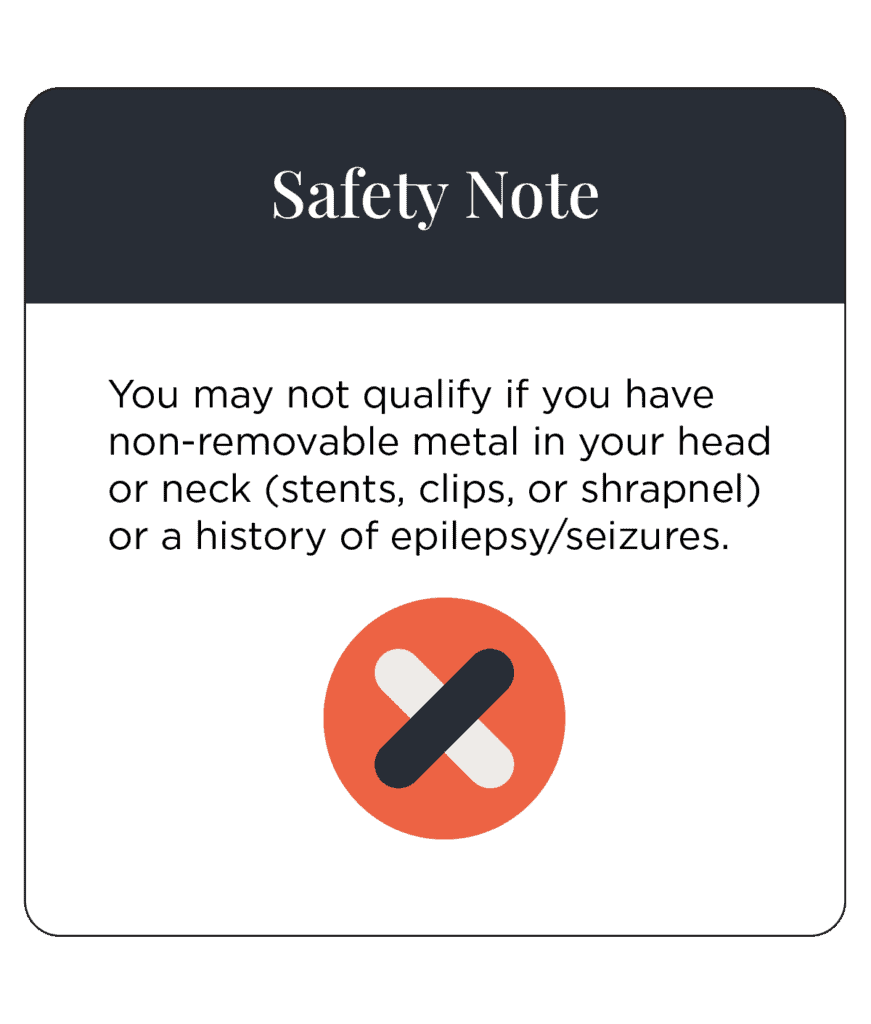
- You can’t have metal in your head or neck, such as aneurysm clips, stents, shrapnel, or certain metallic implants near your brain.
- Because the magnets stimulate brain activity, TMS is not typically recommended for anyone with epilepsy or a lengthy history of seizures.
What type of TMS does Headlight provide?
Headlight provides BrainsWay Deep TMS™ which uses a specialized coil design to reach deeper and broader brain networks as opposed to figure-8 TMS which targets surface-level brain regions.
Does Headlight have plans to offer TMS in additional locations?
Yes, we’re actively expanding into new locations to improve access to care and bring our services to more communities. Stay informed by following us on Instagram (@headlighthealth).