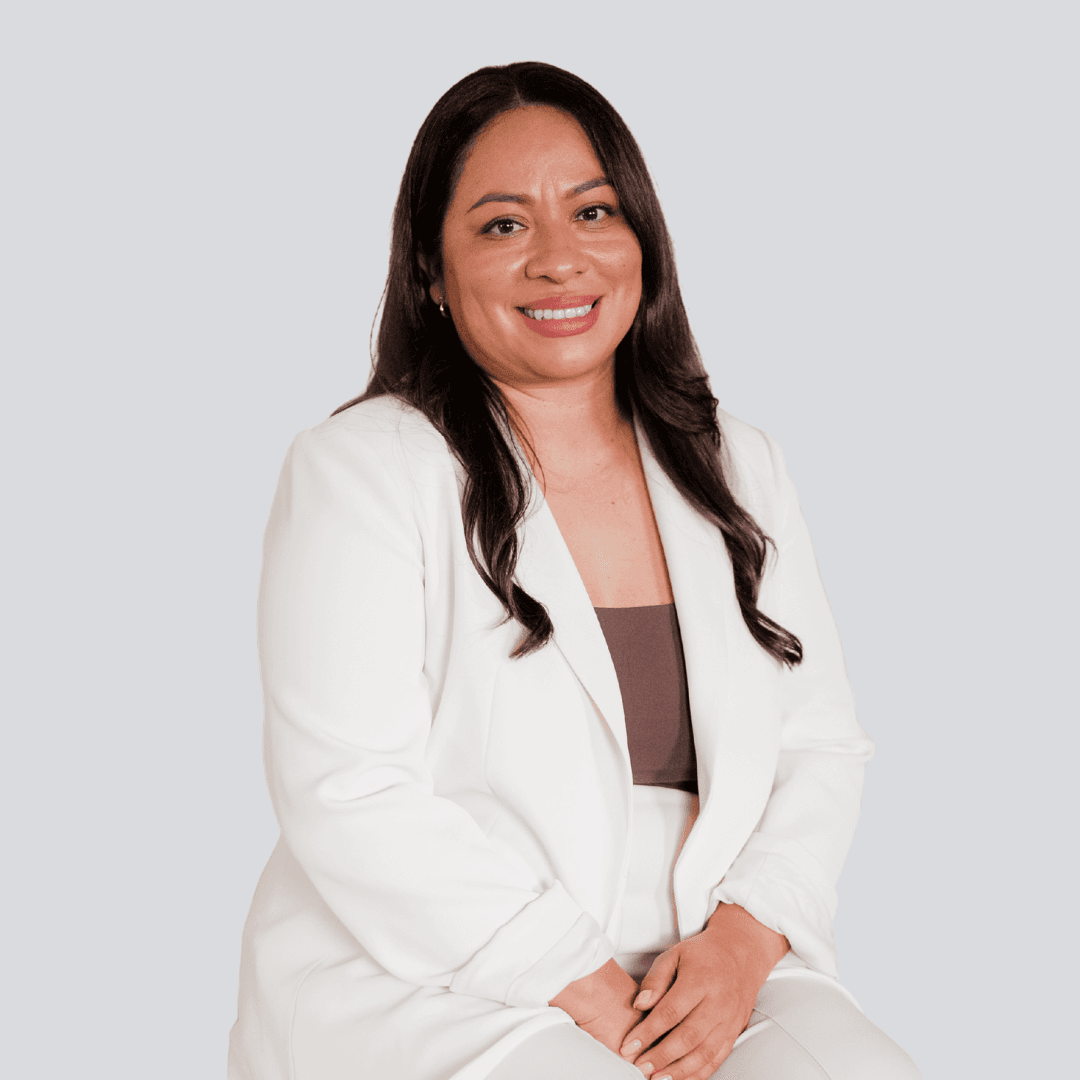
Exposure to generational trauma and the hope of breaking the cycle motivated my career choice in mental health. People oftentimes have limited control over what happens to them, but they have full control of how they respond. My goal is to empower individuals to respond in ways that reduce trauma, improve self-image, and allow them to be the best version of themselves.
Depression, anxiety, or struggles with substance use can affect how you see yourself and how you move through daily life. You may feel caught in patterns that are difficult to change, worn down by what you have been carrying, or unsure how to begin feeling more in control. I believe emotional well-being is an important part of healing, especially when you have experienced pain, loss, or other difficult circumstances. Therapy can help you better understand what is behind your struggles, develop healthier ways of coping, and work toward changes that feel meaningful in your life.
Depression, anxiety, or the effects of trauma can make it hard to feel like yourself, even when you are doing your best to keep up with everyday life. You may feel caught in worry, weighed down by difficult emotions, or notice that past experiences continue to shape how you respond in the present. When these patterns become familiar, it can be difficult to see how things could change. Therapy can help you better understand what you are experiencing, recognize patterns that may be keeping you stuck, and develop practical ways to cope and move forward.
Depression can leave you feeling emotionally flat—like you’re moving through life on autopilot, disconnected from joy and unsure how to find your way back to yourself. Anxiety often walks hand in hand with it, keeping your nervous system on high alert, while past trauma quietly informs how safe you feel in your own body. These layers can be hard to untangle alone. What drew me to this work—and continues to inspire me—is the brain’s capacity to adapt and heal. Neuroplasticity reminds us that change isn’t just possible; it’s how we’re built.
My approach to therapy is warm, collaborative, and grounded in a humanistic perspective. Drawing from Gestalt therapy as well as evidence-based practices like Cognitive Behavioral Therapy (CBT) and Dialectical Behavior Therapy (DBT), I see therapy as a shared process—one where you remain the expert of your own story. I strive to walk alongside my clients, honoring their strength, autonomy, and cultural backgrounds while fostering an environment where healing, empowerment, and meaningful transformation can take place. I work with individuals ages 14 and up, including teenagers, young adults, and adults at various life stages. I have a strong commitment to trauma-informed, culturally attuned care and am especially passionate about supporting BIPOC clients, LGBTQIA+ individuals, and military service members and their families.
I became a mental health clinician because I wanted to better understand the challenges my own family members faced and to support others who have experienced difficult childhoods. Working with children and teens in foster care opened my eyes to the lasting impact of trauma and strengthened my commitment to helping people heal. I believe that with the right support, individuals can navigate life’s difficulties and build meaningful, fulfilling lives.
As a first-generation Latina who was the first in my family to earn a professional degree, I understand the strength it takes to overcome obstacles, manage pressure, and build a path in two worlds at once. I’m a down-to-earth, relatable therapist who brings both lived experience and clinical training into our work together. I’m especially passionate about supporting young women—particularly college students and first-generation individuals—who are navigating life transitions, grief, anxiety, depression, or relationship challenges. I lead with empathy and honesty, and I believe deeply in your ability to grow and heal. I show up as a thoughtful listener, fully invested in helping you create a life that feels balanced, meaningful, and aligned with your values.
When your relationships feel strained, or anxiety and depression seem to shape everything you do, it can be difficult to recognize your own needs and trust your own voice. You may feel stuck in patterns that leave you feeling unheard, disconnected, or unsure how things became so overwhelming. Beneath the surface, there is often a desire for something different—a stronger sense of confidence, healthier relationships, and the ability to move through life with greater clarity and self-trust. Change is possible, and you do not have to figure it out on your own.
Anxiety, depression, and the lasting effects of trauma can make it difficult to feel safe, connected, or at ease in your own life. You may find yourself constantly on edge, emotionally exhausted, or wondering if anyone could truly understand what you're carrying. If you've ever reached out for help and left feeling unheard, it can be even harder to trust the process again. I believe therapy should be different. Healing begins when you have the opportunity to be met with genuine compassion, feel understood, and discover new ways of moving forward with greater confidence and hope.
When depression, anxiety, or trauma begins to shape how you think, feel, and move through your day, it can be difficult to find your way out of familiar patterns. You may feel weighed down, caught in cycles of worry, or find yourself reacting to situations in ways you wish you could change. Even when you understand that something is not working, knowing how to approach it differently can be challenging. Therapy can help you make sense of these experiences, recognize patterns that may be holding you back, and develop practical ways to move forward.
Finding the right therapist can be difficult, especially if you've struggled to find someone who truly understands your experiences. If you're facing depression, anxiety, the effects of trauma, or other mental health challenges, you deserve care where you feel heard, respected, and accepted for who you are. I believe healing begins with feeling understood, and I'll work alongside you to build practical tools, strengthen your resilience, and move toward meaningful change.