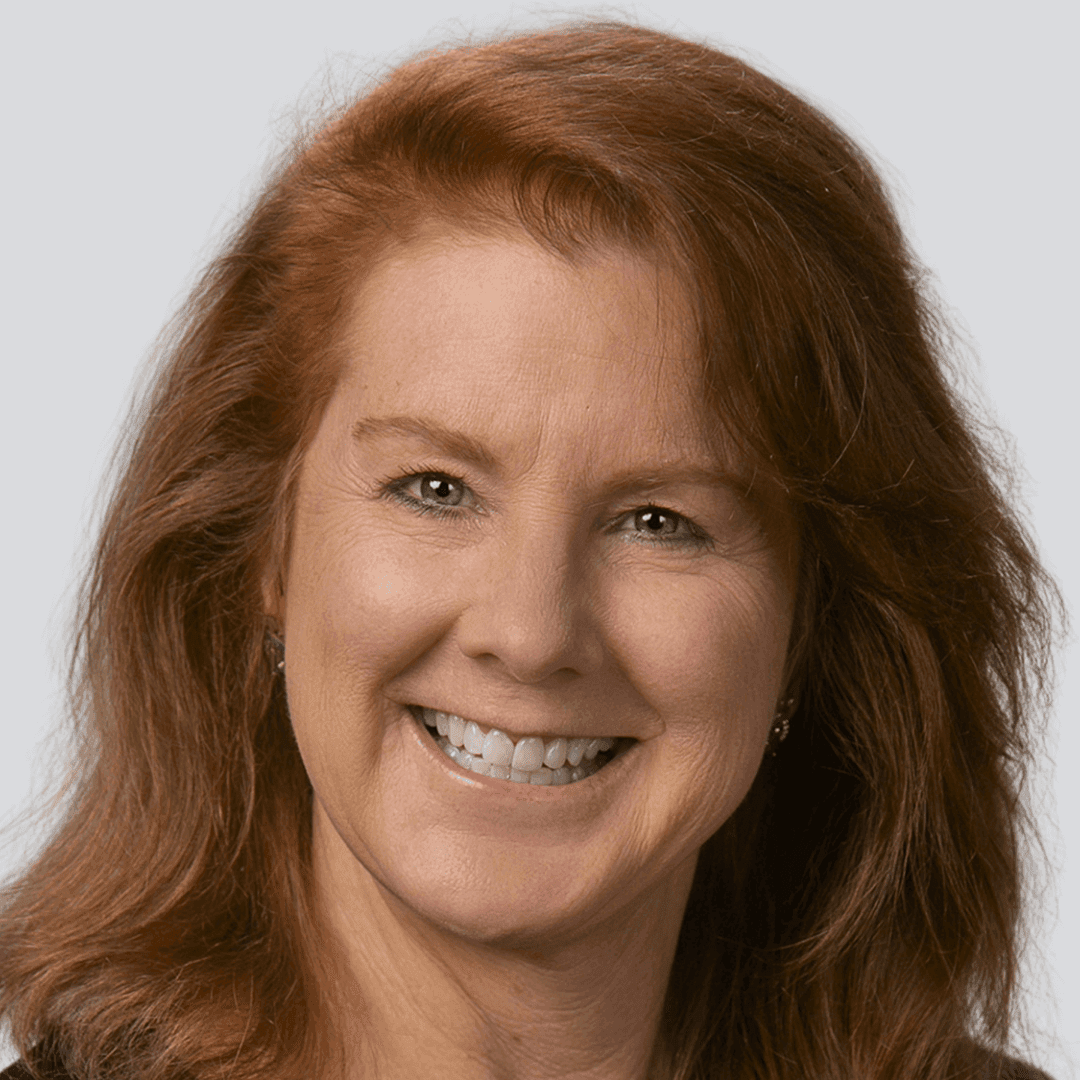
Trauma can change the way you see yourself, your relationships, and the world around you. Whether you're healing from domestic violence, sexual assault, or navigating questions about identity, you may feel disconnected from the life you want to live. You deserve more than simply getting through each day. I believe therapy is about helping you reconnect with yourself, regain a sense of safety and agency, and move toward a life where you can fully experience joy—not just endure what you've been through.
You’re functioning, but it often feels like you’re holding everything together with sheer willpower. Maybe you’re constantly on edge, waiting for something to go wrong, or you find yourself emotionally shut down—disconnected from the people and things you care about. These feelings can be exhausting, especially when they don’t seem to make sense on the surface. I work with people who carry unspoken pain, helping them recognize that what feels “wrong” inside is often a sign of deep resilience. The ways you’ve coped—numbing out, overthinking, disconnecting—were strategies that protected you in hard moments. Together, we can begin to understand those patterns and gently loosen their grip.
You may be feeling overwhelmed by anxiety, weighed down by depression, or carrying the effects of painful experiences that are difficult to put into words. Perhaps you're doing your best to manage everyday life, but certain thoughts, emotions, or patterns keep leaving you feeling stuck. I believe that understanding these experiences can help you find relief, reconnect with your strengths, and begin making changes that feel meaningful and lasting.
Anxiety can leave you replaying conversations long after they’ve ended, questioning your place in relationships, or feeling unsteady in the middle of life transitions. You might look capable on the outside while inside your mind won’t slow down—analyzing, anticipating, bracing for what could go wrong. Over time, that constant vigilance can make you doubt yourself and your instincts. But anxiety isn’t a personal flaw; it’s often a protective pattern that’s worked overtime. When you begin to understand it with curiosity instead of criticism, new possibilities open—ones rooted in clarity, steadiness, and choice.
As a Licensed Mental Health Counselor (LMHC), I am dedicated to creating a safe, supportive, and nonjudgmental environment where you can freely express yourself.
Having spent over two decades as a Social Worker in the Colorado Child Welfare and Adult Protective Services Systems, I've dedicated my career to serving others. For the past ten years, I've focused exclusively on mental health in various settings, including acute psychiatric/medical hospitals and community-based mental health programs. My approach is grounded in strength-based principles, and I integrate evidence-based trauma treatments such as Cognitive Behavioral Therapy, Dialectical Behavioral Therapy, Acceptance and Commitment Therapy, and EMDR therapy into my practice.
Living with depression, anxiety, or the effects of trauma can make it difficult to feel like yourself. You may feel overwhelmed, emotionally drained, or unsure of where to begin. Whatever challenges you're facing, you don't have to navigate them alone. I believe therapy is a place to better understand your experiences, build on your strengths, and take meaningful steps toward feeling more balanced and hopeful.
Specializing in trauma recovery, I work with my clients to create a warm, supportive, and safe space in which to rebuild self-esteem and confidence in survivors, helping them reclaim ownership of the self.
You may look like you’re holding it together on the outside while inside you feel weighed down by fear, sadness, or exhaustion that never fully lets up. For many women, adolescents, and children who have experienced trauma or abuse, painful memories can keep shaping the present long after the danger has passed. It can be hard to make sense of why certain feelings, reactions, or relationship patterns keep showing up. I believe healing begins when those experiences are met with care, honesty, and understanding, so they no longer have the same hold on your daily life.
You may be feeling stuck, disconnected, or exhausted from trying so hard just to get through the day. Maybe you're managing responsibilities on the outside while internally battling anxiety, depression, self-doubt, or the frustration of ADHD-related challenges that seem to keep showing up no matter how hard you try. For children, the world can feel overwhelming and difficult to navigate; for adults, old patterns can leave you feeling like you're working against yourself instead of toward the life you want. I believe change is possible, and I've seen people move from feeling trapped by these struggles to feeling more confident, connected, and capable of handling what life brings.
Life can feel especially difficult when a transition, past trauma, or challenges within your family begin affecting how you think, feel, and connect with the people around you. At any age or stage of life, it can be frustrating to recognize that something isn’t working while feeling unsure of how to change it. I believe that when one person begins to understand themselves differently and develop healthier patterns, that change can positively affect the relationships and systems around them. Together, we can make sense of what you’re experiencing and find ways to move forward with greater awareness, connection, and confidence.