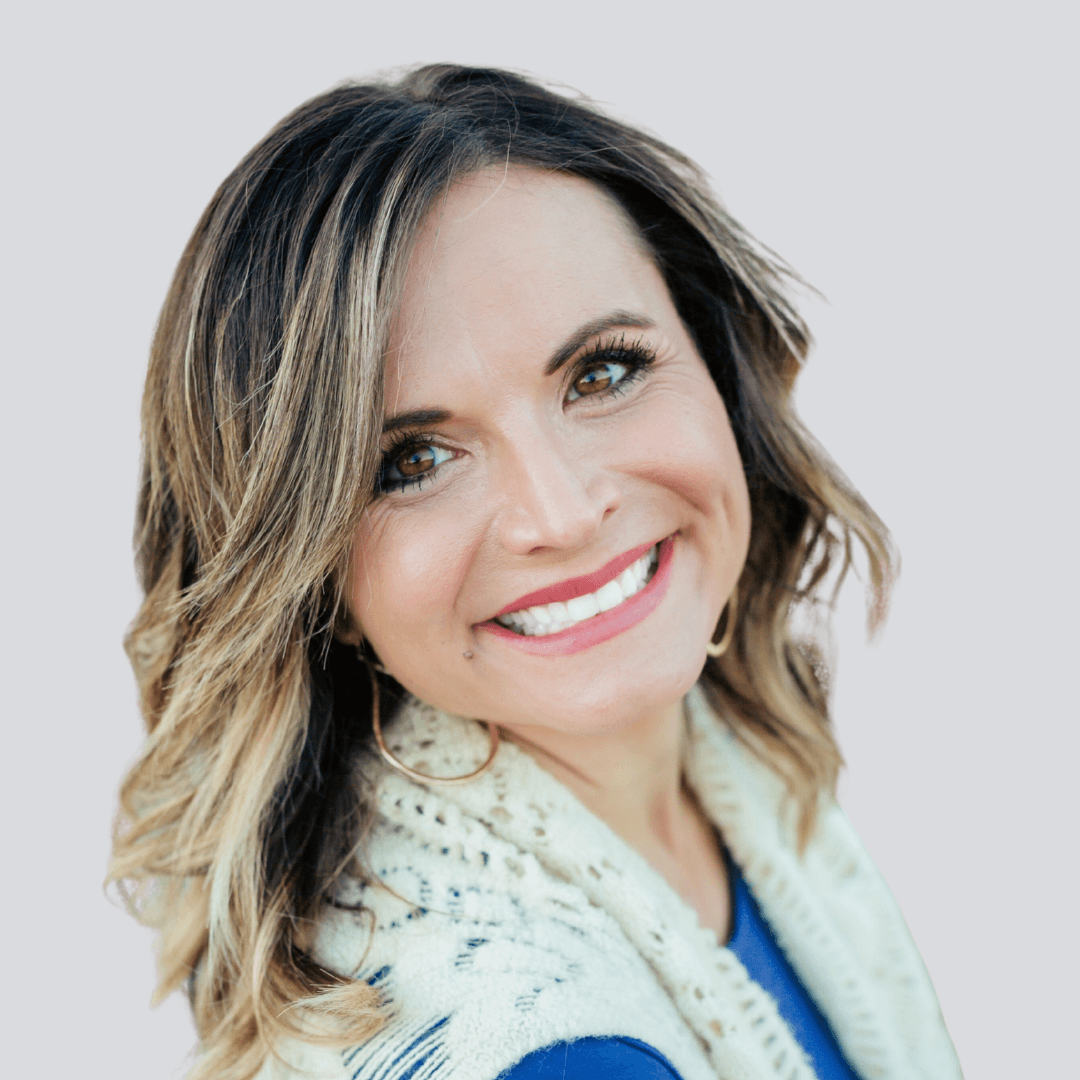
I became a therapist because I have always found fulfillment in helping others through life's challenges. I believe in creating a space where clients feel safe, heard, and empowered to work through past experiences and build a healthier future. My approach is compassionate and collaborative, guiding clients toward healing and personal growth.
Concerns around body image, eating, or exercise don’t always look obvious from the outside—but inside, they can feel like constant noise. These struggles can touch people of any body type, background, or identity, often surfacing during times of stress or transition. For many, it’s not really about food or movement—it’s about control, self-worth, or trying to feel okay in a shifting world. I earned my MA from Azusa Pacific University in 2015 and work with adults 18+ navigating body image distress, difficulty with exercise or motivation, and the emotional weight of life’s changing seasons.
When anxiety or OCD disrupts your daily rhythm, even simple decisions can feel paralyzing. You might find yourself overthinking everything, questioning your worth, or stuck in patterns you don’t know how to change. Depression can add a kind of weight that makes it hard to feel joy, even in moments that “should” feel good. If you’ve been quietly carrying self-doubt or feeling disconnected from who you are, you’re not alone—and it doesn’t have to stay this way. Therapy can be a space to feel seen, to untangle what’s been holding you back, and to start moving toward something steadier.
It can feel heavy to move through your days carrying stress and depression that others don’t always see. On the outside, you may be getting through what’s expected of you, but inside there’s a sense of disconnection, exhaustion, or frustration that doesn’t easily lift. Over time, these feelings can shape patterns in your relationships and the way you relate to yourself, leaving you wondering how things got this hard—or how to begin shifting them. With the right support, it’s possible to start untangling those patterns and move toward something that feels more manageable and more like you.
Exposure to generational trauma and the hope of breaking the cycle motivated my career choice in mental health. People oftentimes have limited control over what happens to them, but they have full control of how they respond. My goal is to empower individuals to respond in ways that reduce trauma, improve self-image, and allow them to be the best version of themselves.
Specializing in therapy for trauma patients, teenagers, and individuals dealing with anxiety, depression, and ADHD, I utilize evidence-based techniques such as Cognitive Behavioral Therapy (CBT), Dialectical Behavior Therapy (DBT), and Narrative Therapy.
Even when life looks stable on the outside, it can feel like you’re barely holding it together. You might find yourself second-guessing your worth, overwhelmed by self-criticism, or frustrated that you can’t show up in relationships the way you want to. These patterns often trace back to old pain—childhood wounds, complicated family dynamics, or experiences of betrayal and loss—that still echo in your present. It can feel exhausting to keep pushing through. But healing is possible, and you're not alone in this process. Whether you're working through acute or prolonged trauma, such as sexual assault, domestic violence, or complex interpersonal trauma, we will move at a pace that feels right for you. Sessions focus on building resilience, restoring a sense of safety, and empowering you to reclaim your life. My goal is to help you gain insight, develop practical tools, and foster lasting healing. You are not alone—together, we can navigate your path toward growth and recovery.
You're functioning on the outside, but inside, you're bracing for impact—constantly on edge, replaying painful memories, or feeling numb and disconnected. Even simple tasks can feel exhausting when your nervous system is stuck in survival mode. These responses might not make sense at first, but they’re often signs of how hard you’ve worked to stay safe in the face of overwhelming experiences. I help people recognize that these patterns, while painful, are rooted in resilience—and that with the right support, change is possible.
Anxiety, depression, or the weight of past trauma can leave you feeling disconnected—from yourself, your relationships, and the life you want to live. You may be doing your best to keep up, but inside, it feels like you're carrying more than you can manage. These struggles can impact your confidence, your ability to be present, and your sense of hope for the future. But change is possible—and healing often begins with being truly seen and supported in your experience.
Anxiety, depression, and the lasting effects of trauma can make it difficult to feel safe, connected, or at ease in your own life. You may find yourself constantly on edge, emotionally exhausted, or wondering if anyone could truly understand what you're carrying. If you've ever reached out for help and left feeling unheard, it can be even harder to trust the process again. I believe therapy should be different. Healing begins when you have the opportunity to be met with genuine compassion, feel understood, and discover new ways of moving forward with greater confidence and hope.