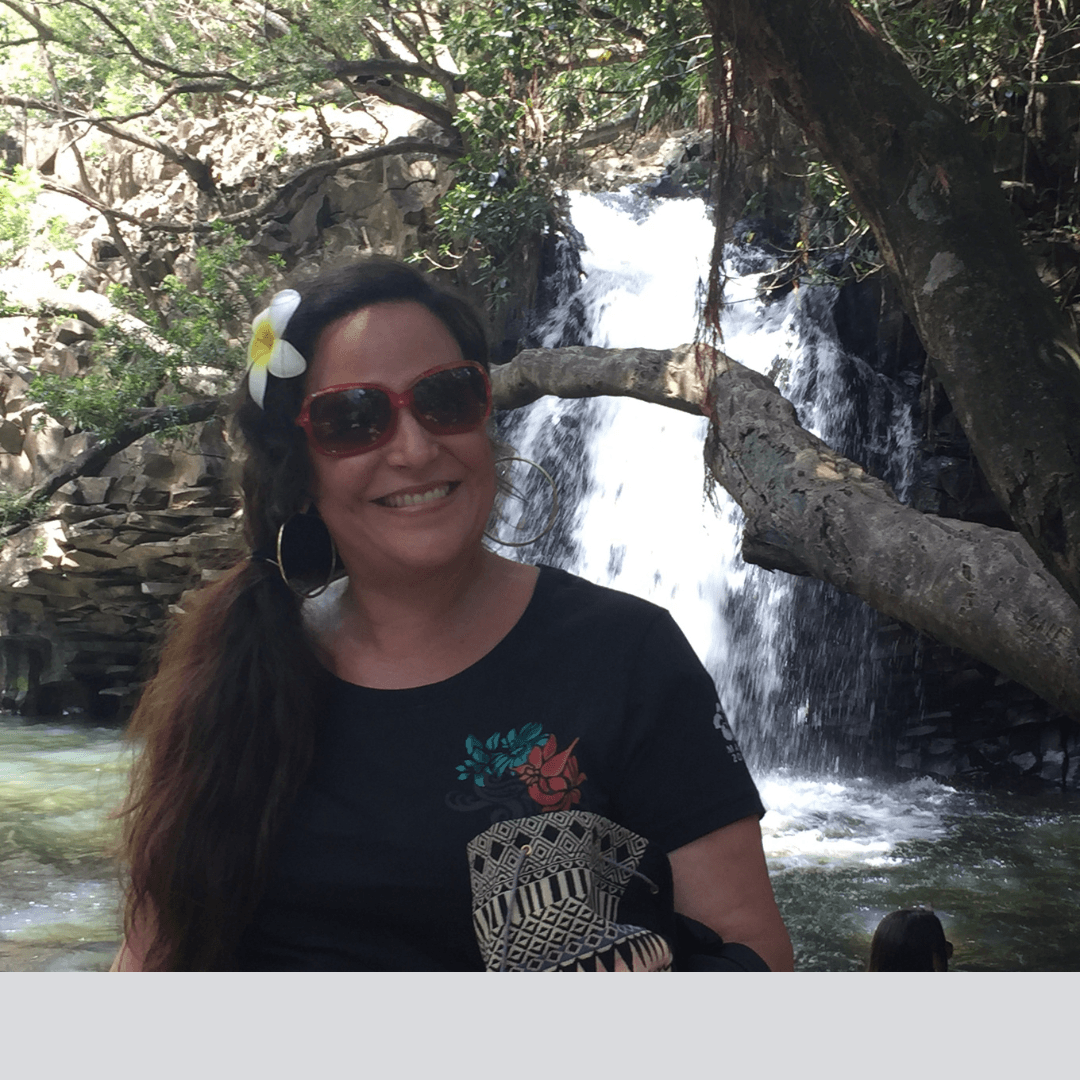
Anxiety, low self-esteem, and relationship struggles can leave you questioning your worth and wondering why things feel so hard. You might be holding it together on the outside while feeling unsure, stuck, or disconnected inside. When your inner world feels chaotic or uncertain, it can be difficult to imagine things getting better. I became a therapist to help people come home to themselves—to feel more at ease in their thoughts, more confident in their choices, and more connected in their relationships.
You might look like you have it all together, but inside, it’s a different story—waves of self-doubt, flashes of painful memories, or a quiet sadness that won’t go away. Maybe you’ve spent years pushing through, trying to keep control, but now it’s catching up to you. You're tired, and it’s starting to feel like something has to give. I work with adults who carry the emotional weight of trauma, depression, and identity struggles—often in silence—and are ready to finally look inward, not just get by. Together, we make space for what’s been buried, and start loosening the grip of old patterns so you can feel more at home in yourself.
Adolescence and young adulthood can be tender, disorienting seasons—especially when layered with trauma, identity exploration, or feeling out of sync with the world around you. You might feel pressure to appear “fine” while struggling under the surface with overwhelm, numbness, or questions you don’t yet have words for. If that resonates, you’re not broken—you’re navigating something real. With an MSW from Smith College and training in DBT, mindfulness, and motivational interviewing, I support LGBTQ+ teens and young adults facing PTSD, emotional intensity, and the deep work of becoming.
Anxiety, trauma, and major life changes can leave you feeling unsteady—like you’re constantly adjusting but never quite finding your footing. On the outside, you may seem capable and composed, but inside, there’s a steady undercurrent of self-doubt, exhaustion, or memories that surface without warning. If you're feeling overwhelmed by internal noise or old wounds reopening, you’re not alone. There is a way through that doesn’t require pushing harder or pretending you’re fine.
Depression, anxiety, and adjustment disorders can quietly disrupt your sense of balance—especially during seasons of stress, uncertainty, or change. You might find yourself functioning on the outside while internally feeling overwhelmed, unmotivated, or unsure of what’s next. Many adults seek not only relief, but also a deeper understanding of what’s happening beneath the surface. I’m a psychiatrist with an MD from the University of Pittsburgh School of Medicine, and I chose this field because I genuinely value connection—listening closely, understanding people’s stories, and working together to chart a thoughtful path forward.
When emotional challenges or major stressors feel overwhelming, it can seem like you’re carrying everything alone. You might be showing up for work, school, or family while quietly battling mood swings, trauma responses, or the heavy uncertainty that comes with life transitions. Maybe you’ve started questioning your strength or wondering why things feel harder for you than they “should.” Over time, that self-doubt can become its own burden. But what if these reactions aren’t signs of weakness—what if they’re signals that you deserve care, understanding, and new tools? Change begins when you no longer have to navigate it all by yourself.
You may feel like you’re always on guard, as if your mind and body never fully get the chance to rest. Trauma can leave you carrying memories, emotions, or reactions that show up long after the events themselves have passed. Childhood trauma and PTSD often shape how you see yourself, how safe the world feels, and how close you allow others to get. Many people move through life appearing “fine” on the outside while quietly managing waves of fear, disconnection, or self-doubt inside. None of this means you’re broken—it means your mind learned ways to protect you during painful experiences. Therapy can be a place to begin understanding those patterns with compassion and gradually create new ways of relating to yourself, your past, and the present moment.
I am a licensed and board-certified Psychiatric Mental Health Nurse Practitioner. I earned my Doctorate in Nursing Practice from the University of San Diego. My approach to patient care is holistic and person-centered, focusing on ensuring that my patients feel heard, understood, and empowered throughout their journey toward mental wellness. I specialize in the treatment of various mental health conditions, including depression, anxiety, bipolar disorder, PTSD, OCD, ADHD, psychosis, and other psychiatric diagnoses.
You’re doing your best to hold it all together, but underneath, anxiety, depression, or the weight of past experiences can feel overwhelming and exhausting. Maybe you’ve learned to push through, to stay functional on the outside while feeling stuck, disconnected, or on edge inside. These patterns can start to feel like they define you—but they don’t have to. With the right support, there is a way to better understand what you’re going through, find steadiness, and begin to feel more like yourself again.
You’ve been holding a lot for a long time—trying to keep up with daily life while feeling overwhelmed, emotionally drained, or not quite like yourself anymore. Maybe your thoughts won’t slow down, your motivation feels out of reach, or the changes in your life have left you feeling unsteady and disconnected from what once grounded you. It can be hard to name exactly what’s wrong, only knowing that something feels off. But even in the middle of that uncertainty, there is a way forward—one that starts with understanding yourself more clearly and rebuilding a sense of balance that feels real and lasting.
You may be carrying burdens that few people fully see—anxiety that keeps your mind racing, depression that makes even simple tasks feel heavy, or the lasting effects of trauma that leave you questioning your safety, your relationships, or yourself. Perhaps you've spent years putting others' needs before your own, ignoring your own hurt while trying to hold everything together. Over time, that can leave you feeling disconnected from who you are and what you need. I believe healing begins when you have the opportunity to be heard honestly and without judgment, and when you start reconnecting with the inner voice that has been there all along beneath the pain and self-doubt.
The experiences we have, the relationships we build, and the challenges we face can shape how we see ourselves and the world around us. If you're feeling overwhelmed, struggling with an eating disorder, healing from trauma, or living with anxiety, you don't have to navigate it alone. I believe meaningful change begins with feeling understood, and I'll work alongside you to help you regain a sense of control, build on your strengths, and move toward lasting healing.
How it Works
Life is complicated enough. Finding help shouldn't be.